
Showing entries for: Infrastructure (show all)

Career Matching Algorithm

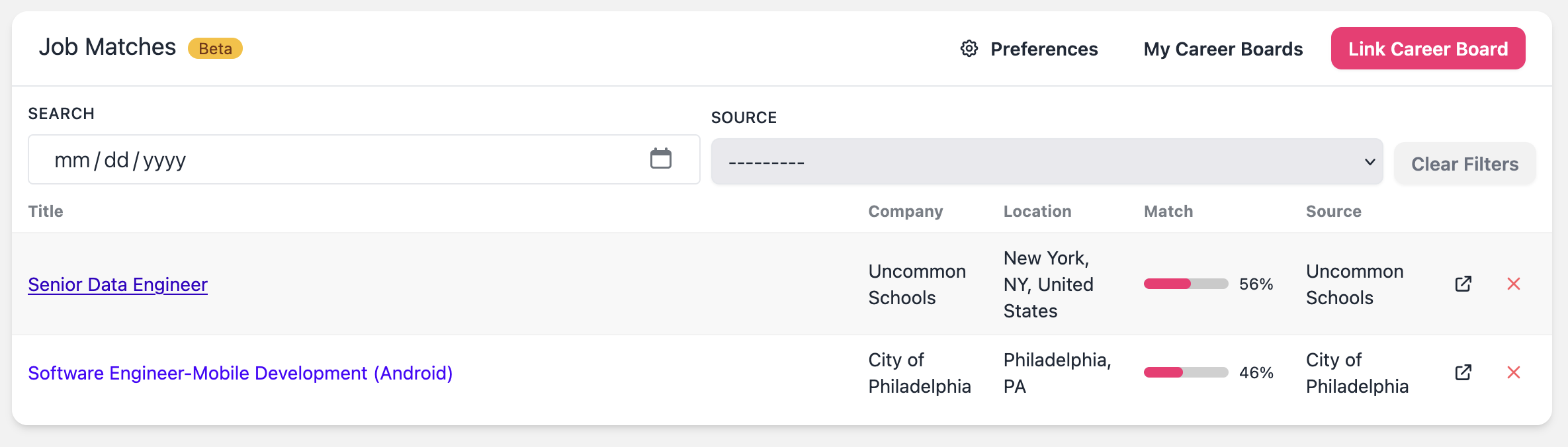
Working on a new data pipeline for finding and ingesting public job listings that then get matched to xptracker users by relevance. The feature is currently in beta, but the above screenshot offers a little sneak peak!

General Process

The overall pipeline covers several steps:
- Download public listings via publicly accessible API's.
- Store their various meta fields, whatever is available.
- Enrich stored listings using a lightweight AI model (like Claude's Haiku).
- Compute job matches to users with access to this feature.

Cost Cutting

Anything that uses LLM models in this way is bound to introduce an upfront cost, that's why we introduced checks into the pipeline that only poll for and tailor results to users who have access to this feature. Anything with heavy AI usage on xptracker will require a subscription to access in the future.

Entry image Entry image

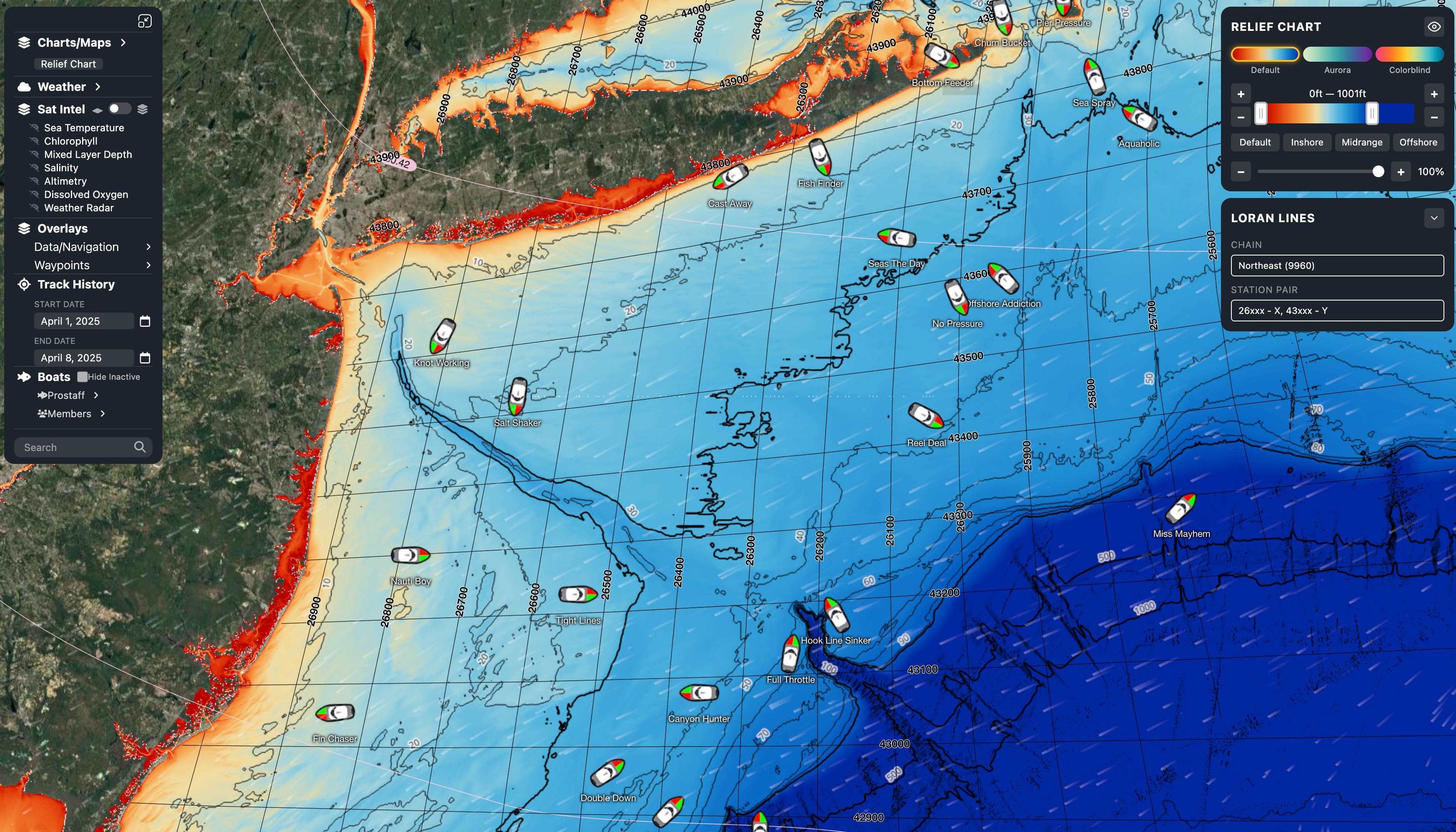
Loran Lines on OneHelm

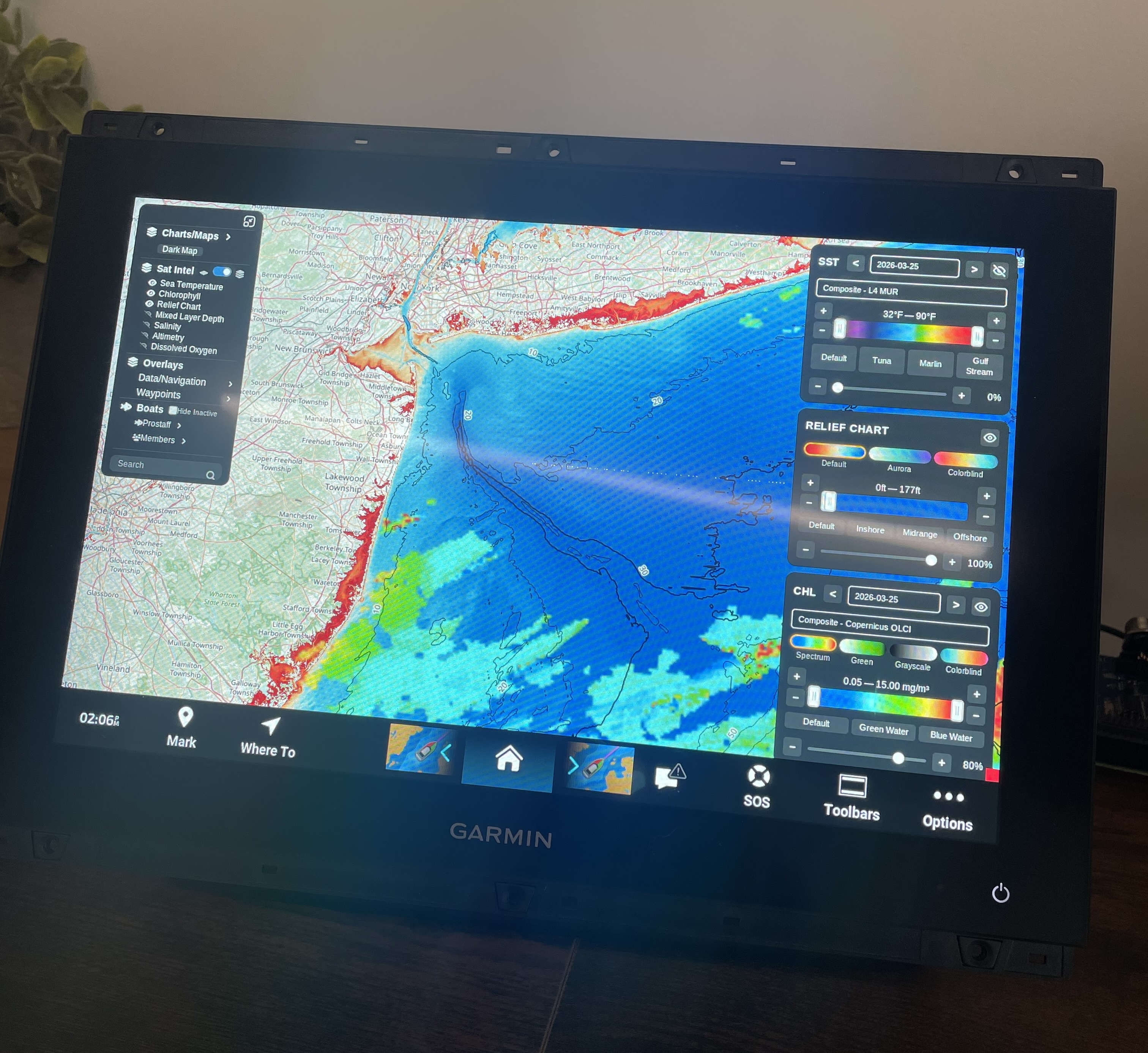
Introduced Loran lines for the Garmin OneHelm typescript application. Introduced various performance enhancements to reduce about 1kb of memory overhead to keep the application in-line with the OneHelm 150MB spec limit. Hyper-optimizations included reducing forced SVG layout counts from 2400 to 300, text alignment map pings from 600 to 300, and removed all 2100 event listeners entirely to reduce overhead further.

Event Listeners

Typically no one has to think about the overall number of web listeners their creating on their web page. Any modern device can support way more than even the most poorly optimized sites can truly throw at it; however, that's not the case for the Garmin device, which only allots 150MB of total RAM to any given OneHelm app. Removing the 2100 event listeners caused a noticeable drop in bootstrap times, and improved overall responsiveness (which unfortuntaely is still a work in progress overall).

Entry image

Garmin OneHelm Pipeline

Developed the Canyon Runner map's app from the ground up to support older webkits running on marine devices such as the Garmin OneHelm device. Created a custom lightweight typescript framework to help facilitate the 150MB RAM restriction onboard the device, and introduced countless performance enhancements to improve feel and responsiveness. Included a build and compile pipeline to auto-deploy the newly reworked app.

The typescript framework makes use of recurssive enclosures to create a more verbose and implied form of coding. For example:

CR           # Canyon Runner - Global Object
CR.MAP       # Map Module

Each module creates it's own logging handling and hooks into a global performance logging system. So for debugging on the out-dated Garmin webkit, we can access a log of all functions invoked and roughly at what time via:

CR.MAP.log("...", {...params}) # Logs only if running in _debug enabled environment.
CR.MAP.printLogs() # Prings all of the modules logs as a table.
Entry image